

Living Beyond Diabetes Stigma: Rewriting the Story We Tell Ourselves
- Mar 20
- 4 min read
Diabetes stigma is everywhere — in the media, in public, sometimes from family and friends, and even within ourselves through self-stigma. It can have a huge impact on how people manage their diabetes and their mental health, making everything feel that much heavier.
With the upcoming End Diabetes Stigma Global Summit (March 28–29) — the first of its kind — I wanted to share my own experience with stigma and how I’ve learned to live beyond it. In many ways, it’s like rewriting the story we tell ourselves.
Stigma can feel like a dark cloud over life with diabetes, affecting how we see ourselves and how we manage our condition. It can chip away at confidence and leave us with thoughts like: This is my fault. I can’t eat that. I’m different. I’m not capable.
Over time, through my own journey with type 1 diabetes — through things like community, technology, and challenging my own beliefs — I’ve learned a few mindset shifts that help lighten that cloud.
They don’t make stigma disappear overnight, but they help us unpack it, challenge it, and move forward with a little more confidence.
Ways to live beyond diabetes stigma
Connection for Support
Living with diabetes can feel incredibly lonely, and when a stigmatising comment comes your way, it can make that isolation feel even stronger.
Sometimes it feels easier to just get on with things alone and keep battling the waves. But connection makes a difference. When you meet others with similar experiences, living with diabetes starts to feel a little more normal.
There’s a saying in Ireland, “a problem shared is a problem halved,” and with diabetes, it means carrying it together rather than alone.
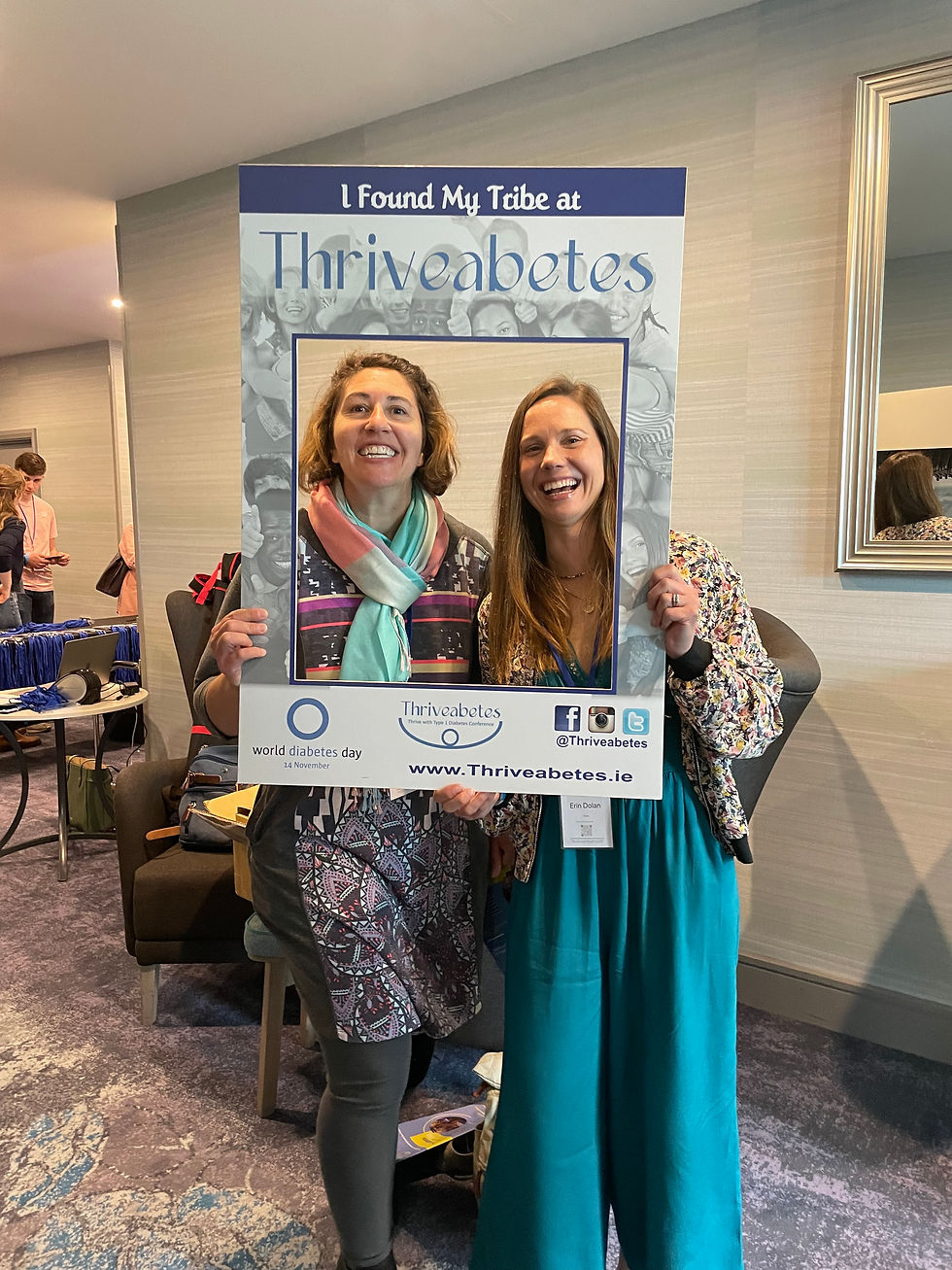
When I was diagnosed at age 10, we had a local diabetes group through JDRF (now Breakthrough T1D). It was a huge support for my parents and me; I felt less different and that self-stigma felt a little lighter.
Later came summer cycling diabetes camps, becoming a diabetes mentor, joining a diabetes junior board in my 20s, and now leading a local diabetes meet-up group in Ireland. Community gives you that extra cape to face stigma head on and even stand up to it.
Connection through events, campaigns, charities, or online communities creates a ripple effect of belonging and advocacy that helps break down misconceptions about diabetes.
Technology as a Confidence Tool
How many times have you noticed someone staring when you inject insulin in public or asking what the device on your arm is?
Sometimes those looks feel like judgment. Sometimes they’re simply curiosity. Either way, those moments can easily turn into stigma if we already feel self-conscious.
This is where diabetes technology has been a real confidence builder for me. Tech can reduce the mental load of diabetes, and when that overwhelm eases, it becomes easier to handle stigma moments too.
For me, my FreeStyle Libre 2 Plus sensor gives me peace of mind knowing what my glucose levels are throughout the day. That awareness helps me get on with life being active, being a mum, socialising, and enjoying food without constantly second-guessing myself.
Better information leads to better management, and better management builds confidence.

I’ve also come to wear my sensor with a bit of pride. Yes, it makes my invisible condition more visible, but it also helps me accept my diabetes rather than hide it.
When questions or negative attitudes come my way, I use those moments to challenge the stigma and reshape what people think diabetes is.
And then there are those brilliant moments when you spot someone else wearing a sensor. It’s like a secret signal — a quiet nod that says I see you and we’ve got this. A small badge of resilience reminding us we’re not doing this alone.
Challenging Limiting Beliefs
This was a big one for me.
For years I believed diabetes would stop me from doing things. And when others said things like “you can’t do that” or “you shouldn’t eat that,” it only reinforced that belief and made it harder to trust myself.
So I started questioning those internal narratives. One small step at a time, until I realised those beliefs weren’t actually true.
A coaching technique I now use with clients is “living as if it’s possible.” If someone dreams of running a marathon but believes diabetes makes it impossible, we start thinking through how it could happen.
That’s exactly what I did. I remember thinking, I can’t do this. But I joined a running group anyway. I trained, spoke with my diabetes care team, built a support system, and eventually ran the marathon.
Small courageous actions rebuild self-trust and slowly dismantle stigma-driven fears.

Using Your Voice
Talking about diabetes is not always easy.
I hid mine for years - 10, 20, nearly 30 years. I injected insulin in toilets, avoided telling friends or coworkers, and even ended up in hospital because I wasn’t managing things openly. I didn’t tell my now-husband about my diabetes until almost a year after we met.
Looking back, I realised I was stigmatising myself.
When I finally began speaking about it openly through conversations, writing, and advocacy something shifted. I started accepting my diabetes more fully, and it also helped others understand it better.
Sharing your story isn’t an obligation, but it can open dialogue. It challenges myths and moves conversations beyond the frustrating “my aunt had diabetes and…” stories.
Language matters. And real stories matter even more.
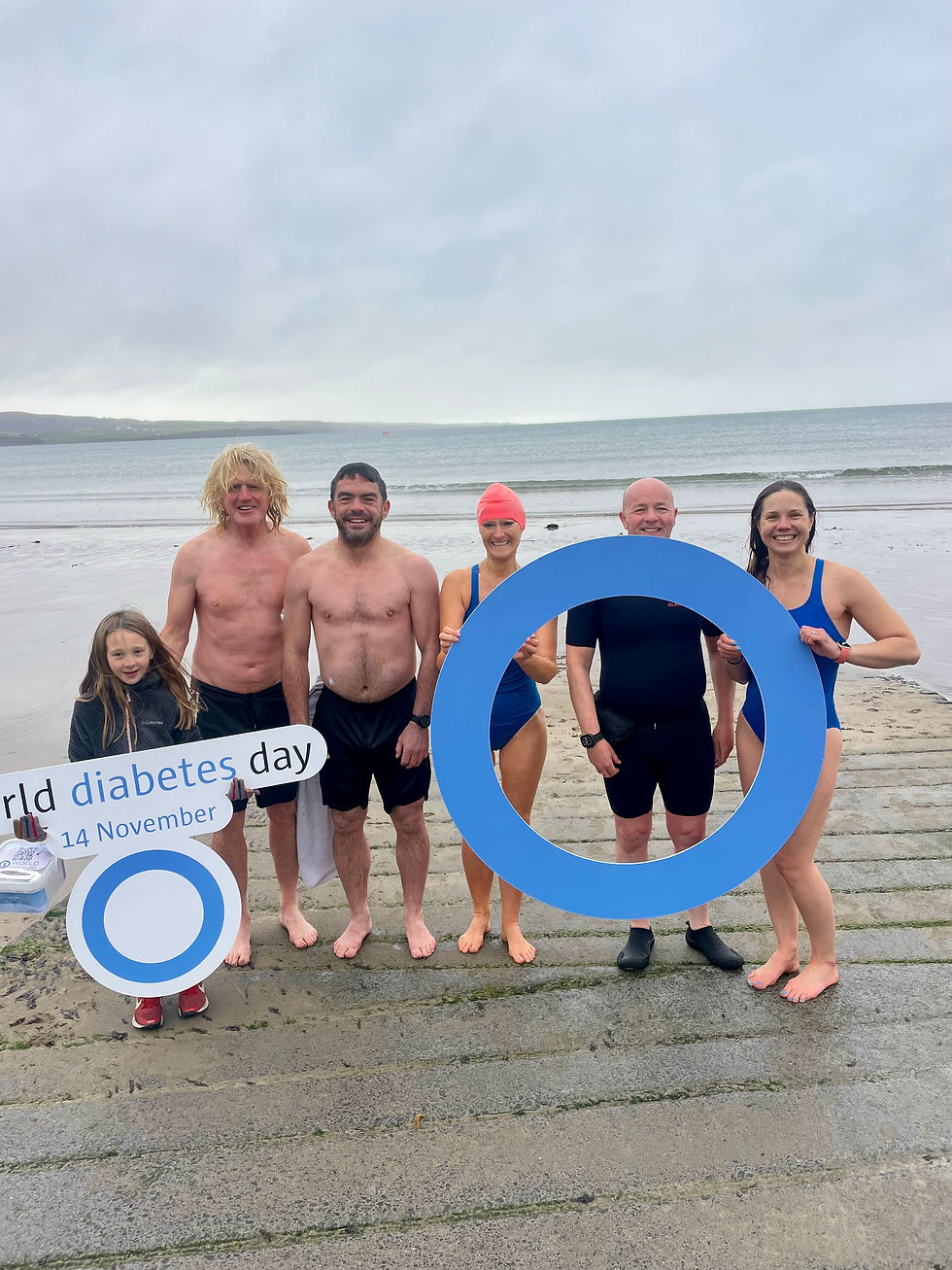
Rewriting the Story
Diabetes stigma is not the truth. And you have every right not to believe it.
Living openly and confidently with diabetes in whatever way feels right for you pushes back against stigma and that sense of restriction.
There are many types of diabetes and many different journeys. But when we share experiences and support one another, we build collective strength.
Living beyond diabetes stigma means rewriting our own story and letting others see what is truly possible. 💙💙
I am a FreeStyle Libre Ambassador and was paid a fee to write this blog. The views expressed are my own, and not necessarily those of Abbott.


Thank you for this empowering post! Rewriting the internal narrative is such a crucial step in managing diabetes without letting it define your worth. The stigma can be heavy, but your advice on self-compassion is a game-changer. Just as we look for fair play and integrity on Diamond Exchange 99, we need that same honesty and kindness toward ourselves. This is exactly the kind of positivity the community needs!
Erin, your message about rewriting the story we tell ourselves about diabetes is so empowering. The stigma surrounding chronic illness can often be heavier than the condition itself, and your holistic approach to coaching offers a real lifeline to those feeling burnt out. Managing T1D is a full-time job, and having someone like you to guide the journey is invaluable. While I focus on managing health goals, I find that relaxing with a trusted platform like Lotus365 Blue helps keep the stress levels down. Thank you for being such a brave and vocal advocate for the community!
This article delivers a powerful message about overcoming stigma and changing the narrative around diabetes. It emphasizes self-acceptance, awareness, and the importance of mental well-being alongside physical health. The storytelling approach makes it relatable and encouraging for readers who may be facing similar challenges. Promoting understanding and empathy is essential, and this post does a great job of that. It’s inspiring to see such honest discussions that help break misconceptions. While reading helpful content like this, I also came across fairdeal game download, which offers light entertainment. Overall, this piece motivates readers to embrace positivity and redefine their personal journey.
I’ve seen quite a few guides like this, but this one explains things more clearly. apbook becomes easier when broken into smaller steps instead of long explanations. Anyway, most users skip important details. Quick note, your breakdown helps avoid confusion. Not always flawless, but works often. In many situations, clarity and consistency matter more than trying advanced features that don’t always behave properly.
I tried following similar methods earlier, didn’t work that well at first. vlbook login integration here seems slightly better optimized though. That said, consistency depends on device too, which many ignore. Quick note, your explanation about notifications is spot on. Most people skip that part completely. In many situations, enabling proper alerts makes things easier overall. Not perfect always, but definitely more efficient than manual checking again and again.